Ming family
GROUPESTABLISHED IN 🇲🇲 MYANMAR ▸TAP TO READ FULL NARRATIVE — THE SECOND FAMILY (500 WORDS)
The Kokang zone was not controlled by a single family. Kokang's borderland economy — part legitimate commerce, part illicit operations — was divided among multiple armed groups and syndicates that each controlled their own territory within the region. The Bai family (Case 062) controlled one section. The Ming family controlled another.
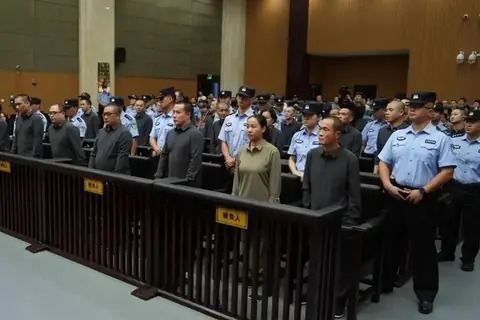
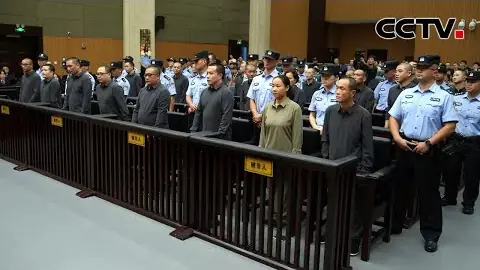
The Ming family syndicate, per the Wenzhou Intermediate People's Court judgment as reported by CNN and SCMP, ran scam compounds within the territory they controlled in Kokang — facilities where pig-butchering fraud and other online scams were conducted against victims primarily in China. The court found approximately 10 billion yuan in gambling and fraud proceeds and convicted family members of fraud, killings, and other crimes tied to the compound operations. [SOURCE: CNN, 30 September 2025; Wenzhou court as reported]
Eleven members of the Ming syndicate were executed in January 2026. [SOURCE: SCMP, January 2026] This is a separate set of convictions and executions from the Bai family case — carried out at a different time, against different defendants, for a separately quantified set of criminal conduct.
The two cases together document that the Kokang fraud economy was not monolithic. It was a neighborhood with several landlords — and when Chinese enforcement moved, it moved against both. Taken together, the prosecutions reveal that the compound zone was economically significant enough to support multiple armed syndicates, each with their own territory, compounds, and criminal networks.
Both prosecutions follow the same enforcement pattern: Chinese victims, Chinese border territory, Chinese law enforcement with access to the borderlands through its leverage over Myanmar's armed groups. The prosecutions represent China's willingness to use its influence in the region — including reportedly working with Myanmar's military and border-control authorities — to reach syndicate leaders who had operated with apparent impunity for years.
The death sentences in both cases reflect how seriously Chinese courts characterised the compound operations. Trafficking, homicide, and fraud-at-scale convictions in China carry severe sentences; the pig-butchering industry's specific combination of these crimes — organized fraud, coercive labour practices, and in some cases killings of workers who failed to perform or tried to escape — put the syndicates in the highest-severity category.
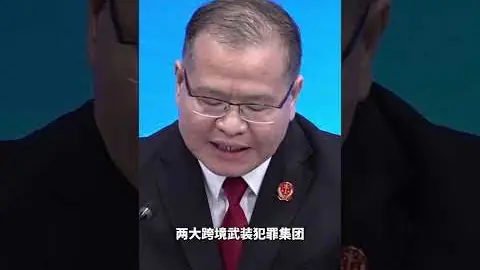
The source tier remains important: these proceedings were reported through Chinese court releases and state media, then translated by CNN, SCMP, and international outlets. The judgment text itself is not publicly available to this series. The figures and conviction details are drawn from those translated reports and should be labeled as such.
SOURCES — LABEL ALL SPECIFICALLY
[1] CNN, 30 September 2025 — translated reporting on the Wenzhou court judgment. Ming family figures and conviction details.
[2] SCMP, January 2026 — the execution reporting.
[3] Caixin Global — Kokang syndicate coverage.
CURRENCY ¥10B / ~$1.4B: conversion at ~$0.14/CNY, Q4 2025. Date this when publishing.
⚠️ MERGE WARNING Never sum 062 + 064 into a single Kokang figure without explicitly attributing each component. Label 062 and 064 as separate cases at every mention.
IDENTITY
CASE RECORD

 ▶ WATCH
 ▶ WATCH
 ▶ WATCH
 ▶ WATCH