Huione Group
TAP TO READ FULL NARRATIVE — THE BANK FOR THE COMPOUNDS (600 WORDS)
Every scam economy needs a bank. Not a bank in the regulated sense — a bank in the functional sense: a place where proceeds can be deposited, held, moved, and converted; where the trust that makes transactions possible is provided; where illicit money can meet the legitimate financial system with some insulation between them.
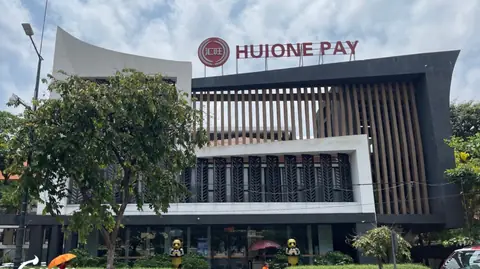
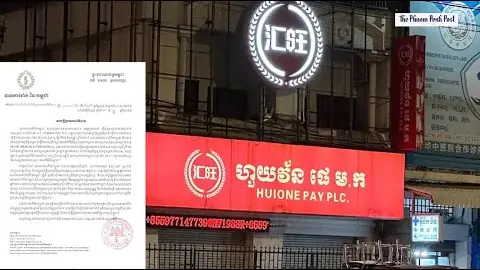
Huione Group, based in Cambodia, operated across several entities — Huione Pay (payments infrastructure), Huione Guarantee (a 'guarantee' marketplace where buyers and sellers of goods and services, including illicit ones, could transact with a trusted intermediary holding escrow), and related platforms. For the operators running pig-butchering compounds and for the victims' money flowing out of those compounds, Huione provided what the FinCEN finding describes as financial infrastructure for laundering criminal proceeds.
On October 14, 2025, FinCEN issued a final rule — published in the Federal Register on October 16 and effective November 17 — that severed Huione Group from the US financial system. The finding: at least $4 billion in illicit proceeds were laundered through Huione between August 2021 and January 2025. The illicit proceeds came from two sources: pig-butchering scam operations and North Korean state hacking. [SOURCE: FinCEN final rule, October 16, 2025]
The North Korean connection is the case's most significant analytical detail. The Lazarus Group — North Korea's state-sponsored hacking apparatus, the subject of Case 027 in this series — conducted cyber-theft operations and moved proceeds through Huione alongside the proceeds of commercial pig-butchering fraud. The same institution, the same financial system, serving both a criminal commercial industry and a state actor.
The FinCEN final rule operates differently from an OFAC sanctions designation, though both achieve similar functional outcomes. FinCEN's authority is specifically over US financial institutions' obligations under the Bank Secrecy Act. A FinCEN special measure — as applied here — prohibits US banks from opening or maintaining correspondent accounts with or for the designated institution.
The practical effect: any US financial institution that processes transactions involving Huione risks violating the rule and faces regulatory consequences. Since nearly every major international bank maintains US dollar correspondent relationships as a basic function of global commerce, the FinCEN rule effectively cuts Huione off from dollar-denominated transactions — and, by extension, from most of the global financial system.
Huione was not prosecuted; FinCEN's findings are allegations in an administrative rule, untested in any court. No individual was charged in the United States in connection with this action. The rule targets the institution, not specific named individuals, and the mechanism is administrative rather than criminal. This is the enforcement model when criminal prosecution is impossible or impractical — the same model as OFAC's Evil Corp designation (Case 058, Yakubets) and the Bitzlato action (Case 040). You cut off the money rather than arresting the person.
Huione's connection to Cambodia's political structure — reporting has noted ties between Huione's ownership and Cambodia's ruling family — is public record that has been documented by Reuters, WSJ, and others. This is not this series' material to assert independently; report it as documented by named outlets.
IDENTITY
CASE RECORD

 ▶ WATCH
 ▶ WATCH

 ▶ WATCH
 ▶ WATCH