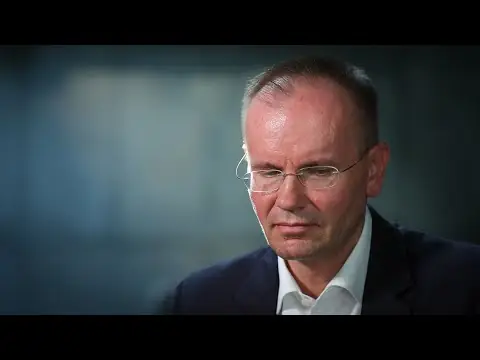
Markus Braun
TAP TO READ FULL NARRATIVE — THE MISSING €1.9 BILLION (1,100 WORDS)
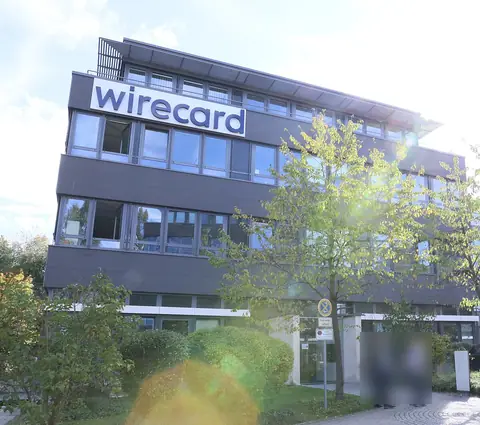
On June 18, 2020, Wirecard AG announced that €1.9 billion — cash that was supposed to be sitting in trustee accounts in the Philippines and Singapore — probably did not exist. The auditors who were supposed to have verified the accounts could not get the banks to confirm the balances. What had been reported as a core part of the company's financial position was, according to the company's own statement, likely fictitious.
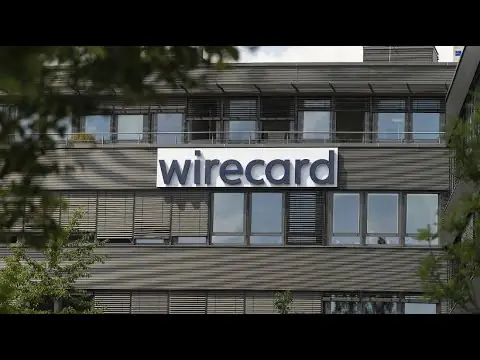
Wirecard filed for insolvency on June 25, 2020 — becoming the first company ever to file for bankruptcy while listed on Germany's DAX blue-chip index. A company that had displaced Commerzbank from the DAX, that had been worth approximately €24 billion at its peak, that had been hailed as Germany's answer to Silicon Valley in financial technology — was insolvent in a week. [SOURCE: Wirecard insolvency filing; Reuters]
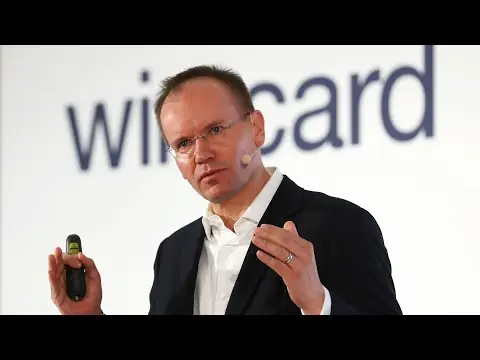
Markus Braun, the Austrian-born CEO and CTO who had run Wirecard since 2002, was arrested on June 22, 2020 — three days before the insolvency filing. He has been in pre-trial detention since that day. As of September 2026, he has been in custody for more than six years, and his trial has been underway since December 2022 without a verdict.
Jan Marsalek, Wirecard's chief operating officer, vanished. He is believed to be in Russia. German authorities have issued an international arrest warrant. He has not been apprehended. He may never be.
Wirecard started in 1999 as a payment processor for online gambling and pornography — industries that legitimate banks were reluctant to serve. It grew by finding customers the mainstream financial system excluded, then expanded into more conventional online payment processing as the e-commerce boom made digital payments ubiquitous.
Under Braun's leadership from 2002, Wirecard grew from a niche processor into a global fintech company with operations in Asia, the Middle East, and beyond. In 2018, Wirecard displaced Commerzbank from Germany's DAX index — an extraordinary milestone for a company that had been founded to process gambling payments. Its market capitalisation peaked at approximately €24 billion ($28 billion). [SOURCE: Reuters; Bloomberg; Irish Times]
The Financial Times began publishing skeptical investigative reporting about Wirecard in 2015 and through 2019, raising questions about accounting irregularities in its Asian operations. Wirecard denied the allegations and, in Germany, BaFin — the financial regulator — took the controversial step of investigating the FT journalists and short sellers for alleged market manipulation rather than investigating Wirecard. Short sellers who bet against the stock faced regulatory scrutiny. The company's accounting was not subjected to the scrutiny it warranted. [SOURCE: FT reporting; BaFin record]
The prosecution alleges that Wirecard's management fabricated revenue streams. The company claimed to process payments for a network of third-party partner companies in Asia — companies that would handle transactions in markets where Wirecard itself did not have direct operations. The revenue attributed to these third-party acquiring partnerships was substantial; it was also, per prosecutors, invented.
The trustee accounts — where the €1.9 billion was supposed to be held — were the physical manifestation of the alleged fraud: cash balances that were reported to auditors as existing in accounts at Philippine and Singapore banks, but that the banks could not confirm when investigators eventually checked. [SOURCE: Wirecard insolvency administrator; FT; Reuters]
Ernst & Young (EY) audited Wirecard's accounts for approximately ten years and signed off on the financial statements that included these balances. When the fraud collapsed, EY was subjected to intense scrutiny for having failed to independently verify the account balances for years. EY's German operations faced investigations and lawsuits. The scandal contributed to a broader debate about auditor independence and the quality of large-firm audit work. [SOURCE: FT; Handelsblatt; German regulatory proceedings]
Jan Marsalek, the COO, is described by Braun's defense as the architect of the fraud — a man who ran a 'shadow operation' that Braun claims he did not know about. Oliver Bellenhaus, the former head of Wirecard's Dubai subsidiary who became a prosecution witness, has testified that Braun was 'the nucleus toward which everything was oriented' and that 'nothing happened at Wirecard without Braun's knowledge.' [SOURCE: Reuters citing Bellenhaus trial testimony]
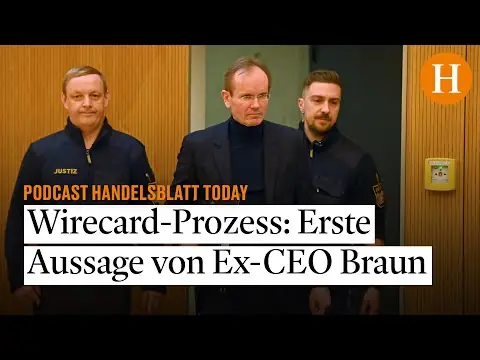
The trial opened December 8, 2022 in Munich Regional Court, in a bomb-proof underground courtroom in the Stadelheim prison complex. 100 trial dates were scheduled. The 474-page indictment accused the defendants of falsifying financial results since 2015 and defrauding banks of €3.1 billion through the phantom transactions.
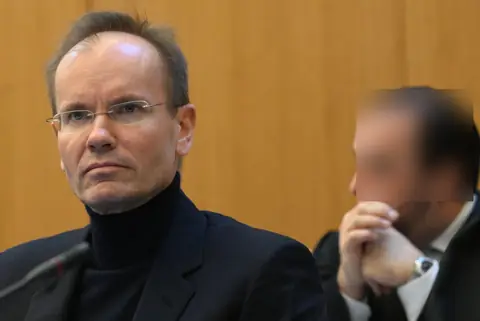
Braun, wearing his trademark dark turtleneck and rimless glasses, confirmed his identity and denied all charges. He has maintained throughout the trial that he was a victim of a fraud operated by others, particularly Marsalek, that was conducted behind his back.
In February 2025, prosecutors and the court agreed to streamline the case to 10 core charges — dropping the 2015 results falsification counts and multiple market manipulation counts — to expedite proceedings. By that point, nearly 180 trial days had passed. The verdict was described as 'earliest 2026' without the streamlining, and potentially 2027 with it. [SOURCE: LTO.de, February 2025 citing Munich court]
In September 2025, Braun gave an interview to Stern magazine in which he called the trial 'a farce' and stated his goal was acquittal. He remained in Stadelheim prison — his sixth year of pre-trial detention. [SOURCE: Recht24-7.de citing Stern, September 2025]
As of September 26, 2026, no verdict has been confirmed in publicly available reporting. This case file treats Braun as CHARGED, not convicted. The status must be verified before any publication that describes a legal outcome.
SOURCES AND STATUS WARNING
CRITICAL: Do not publish any convicted/sentenced language without verifying current status. As of compilation date, trial is ongoing. The verdict, if issued between this document's creation and publication, must be added before the document is released.
[1] Munich Regional Court (LG München I) — trial record from December 8, 2022. Case reference 4 KLs 402Js 108194/22.
[2] Wirecard insolvency administrator reports — €1.9B gap characterisation; €3.1B creditor damage figure.
[3] FT / Bloomberg / Reuters — definitive English-language coverage of the Wirecard scandal, FT's investigative role, trial opening and proceedings.
[4] LTO.de (Legal Tribune Online) — German legal press; Braun pre-trial detention updates; February 2025 charge streamlining.
[5] Börsen-Zeitung — 'Wirecard trial enters its third year' (January 2025). Verdict delay estimates.
[6] Recht24-7.de citing Stern — Braun interview September 2025; 'the trial is a farce'; still seeking acquittal.
STATUS TO VERIFY Whether any verdict has been issued since September 2026 · Whether Jan Marsalek has been located or returned · EY Germany liability outcome · Bellenhaus sentencing timeline
IDENTITY
CASE RECORD
 ▶ WATCH
 ▶ WATCH

 ▶ WATCH
 ▶ WATCH